How nurses and care teams can look beyond the HbA1c result, recognise changing needs and help make diabetes treatment safer.
By Clarivive MedInsight
12 September 2026
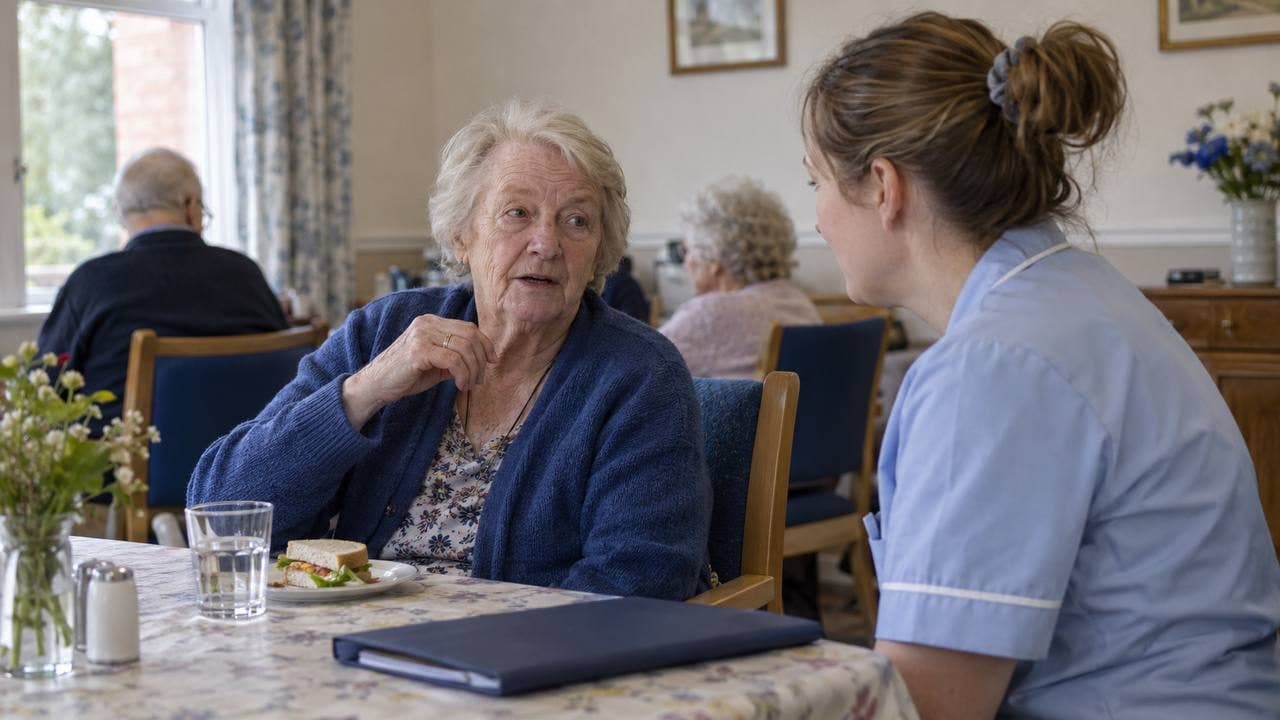
An older care-home resident with type 2 diabetes has a lower HbA1c result than at their previous review.
At handover, someone describes their diabetes as “much better controlled”.
However, the resident is also eating less, has lost weight and has recently needed treatment for low blood glucose.
In this fictional example, the HbA1c has fallen. But has the person’s diabetes care become safer?
A lower HbA1c is not, by itself, evidence that treatment remains appropriate. NICE recommends agreeing individual targets and considering whether treatment-related adverse effects, or the effort needed to reach the target, are affecting quality of life. (NICE: blood glucose management)
The practical task is to connect the result with the person: their symptoms, medicines, eating patterns, health changes and ability to manage treatment.
Why frailty changes the conversation
Frailty is a clinical condition involving reduced physiological reserves and greater vulnerability to illness or other stresses. An infection, medication change or change in environment may have a greater effect on the person’s health, function and independence.
Frailty is more common with increasing age, but it is not the same as being old. Younger people can also live with frailty. Age alone does not tell us how well someone will tolerate treatment. (NHS England: supporting people living with frailty)
For someone with type 2 diabetes and frailty, decisions need to consider more than the long-term benefits of lowering glucose. NICE specifically highlights the risks of hypoglycaemia and falls when considering sulfonylureas and insulin-based treatments in people with frailty. (NICE: further medication)
This is not an argument for ignoring diabetes. It is an argument for treating the person rather than pursuing a number without context.
HbA1c and a glucose reading answer different questions
| Measurement | What it tells you | What it cannot tell you on its own |
|---|---|---|
| HbA1c, usually reported in mmol/mol | An indication of average blood glucose over approximately the previous two to three months. | Whether the person is having a hypo now or has experienced individual low-glucose episodes. |
| Capillary blood glucose, usually reported in mmol/L | A finger-prick measurement of blood glucose at the time of testing. | The person’s longer-term pattern from a single reading. |
Averages can conceal variation. A person may have a reassuring HbA1c while experiencing individual periods of low or high glucose. Interpret the result alongside symptoms and relevant monitoring information—not as a reason to dismiss them.
Certain conditions affecting red blood cells can also make HbA1c less reliable. Report a mismatch between the result and the clinical picture so the responsible clinician can consider further assessment. (Diabetes UK: understanding HbA1c)
Record the units correctly: HbA1c in mmol/mol is not interchangeable with blood glucose in mmol/L.
What NICE guidance says
NICE guideline NG28: Type 2 diabetes in adults: management introduced specific frailty recommendations in its 18 February 2026 medicines update.
These include considering a review of the overall diabetes treatment plan so that the person takes no more medicines, or higher doses, than are needed for effective treatment. (NICE: initial medicines—people with frailty)
NICE also supports individualised HbA1c targets. A less stringent target may be appropriate when hypoglycaemia would be particularly hazardous, intensive management is unsuitable or longer-term risk-reduction benefits are unlikely.
However, a result below target is not automatically evidence of overtreatment. NICE advises encouraging its maintenance when hypoglycaemia is not occurring, while considering other explanations for a low result, including sudden weight loss or deteriorating kidney function. These target-setting recommendations predate the 2026 update. (NICE: blood glucose management)
The question is not simply:
“Is the number lower?”
It is:
“Are the treatment goals still appropriate, and is the person reaching them safely?”
Five questions that make a diabetes review more useful
These questions are a discussion prompt for nurses and care teams—not a diagnostic score, prescribing algorithm or substitute for urgent assessment.
Their purpose is to identify what has changed and give the reviewing clinician useful information.
1. What are this person’s agreed targets and action thresholds?
Find the documented HbA1c target and, where glucose monitoring is required, the acceptable day-to-day range.
For people using insulin, CQC guidance for adult social care in England expects care plans to specify monitoring arrangements, acceptable ranges and what to do when results fall outside them. (CQC: diabetes mellitus and insulin use in adult social care)
Do not substitute another resident’s targets or rely on “that is what we normally use here”.
Routine finger-prick monitoring is not recommended for every adult with type 2 diabetes. Insulin treatment, documented hypoglycaemia and investigating suspected hypoglycaemia are among the circumstances in which monitoring may be appropriate. Follow the individual assessment and plan. (NICE: blood glucose management)
Ask: “Are the targets and monitoring instructions still appropriate for this person’s health and treatment?”
2. Have there been low readings or changes that could represent a hypo?
Hypoglycaemia—a “hypo”—is usually defined as blood glucose below 4 mmol/L and needs prompt treatment.
Possible symptoms include sweating, shaking, hunger, dizziness, weakness, irritability, blurred vision and confusion. Severe hypoglycaemia can cause seizures or unconsciousness. (NHS: low blood sugar)
Some older people have less obvious warning symptoms or do not recognise them. Changes in concentration, sleep, behaviour or steadiness may therefore be important. They do not prove hypoglycaemia, but should not be dismissed as “just their age” or automatically attributed to an existing cognitive impairment. (Diabetes UK: older people and diabetes)
Bring actual readings, timings, symptoms and treatment responses to the review. Look for patterns around meals, medicine administration or overnight periods.
Ask: “Have low-glucose episodes occurred, and does the plan address their pattern and possible causes?”
3. Has eating, drinking or weight changed?
Record what the person is managing—not just whether a meal was offered.
“Poor appetite” is less informative than:
“Ate approximately one quarter of breakfast, declined lunch and reported mouth pain when chewing.”
Include recent weights, fluid intake and any difficulties chewing, swallowing or managing food.
Reduced intake may relate to oral-health problems, swallowing difficulties, medication effects or practical barriers. Diabetes UK recommends nutritional assessment and individual dietary advice when an older person is at risk of undernutrition or has specific nutritional needs. (Diabetes UK: older people and diabetes)
Do not assume further food restriction is the answer to every diabetes concern. The diabetes and nutrition plans need to work together.
This is particularly important with medicines that can cause hypoglycaemia, including insulin and sulfonylureas such as gliclazide. Missed or delayed meals and insufficient carbohydrate can increase hypo risk. (NHS: low blood sugar)
Ask: “Does treatment still fit the person’s actual intake, and is nutritional assessment or mealtime support needed?”
4. Has their health or medication changed?
Compare the current situation with the circumstances in which the treatment plan was last agreed.
Bring information about recent illness, hospital discharge, prescription changes, suspected adverse effects and any known change in kidney function. Include the current medication administration record rather than relying on memory.
A medicines review should consider the person’s health, treatment benefits and risks, and practical difficulties using medicines. (NHS England: structured medication reviews)
For example, metformin can cause gastrointestinal symptoms and loss of appetite. Report these problems rather than assuming reduced intake is unrelated to treatment. (NHS: metformin)
Check for authorised sick-day instructions explaining what to do during illness and whom to contact about medicines. (NHS: high blood sugar)
Ask: “Has something changed that affects the safety, tolerability or practicality of this regimen?”
5. Can the person still manage the plan, and what support do they need?
Ask what the person finds difficult and what matters to them.
A structured medication review should consider their understanding, preferences and experience—not just whether prescriptions have been issued correctly. (NHS England: structured medication reviews)
Clarify who is responsible for monitoring, administering medicines and obtaining help. For someone using insulin, CQC expects assessment of their support needs, including support that helps them remain as independent as possible. (CQC: diabetes mellitus and insulin use)
A useful discussion might uncover a practical problem:
“I can still use the equipment, but I cannot read the numbers clearly.”
That is more helpful than assuming either complete independence or complete dependence.
Ask: “What support would make treatment safer without unnecessarily taking control away from the person?”
When glucose is low: act first, investigate afterwards
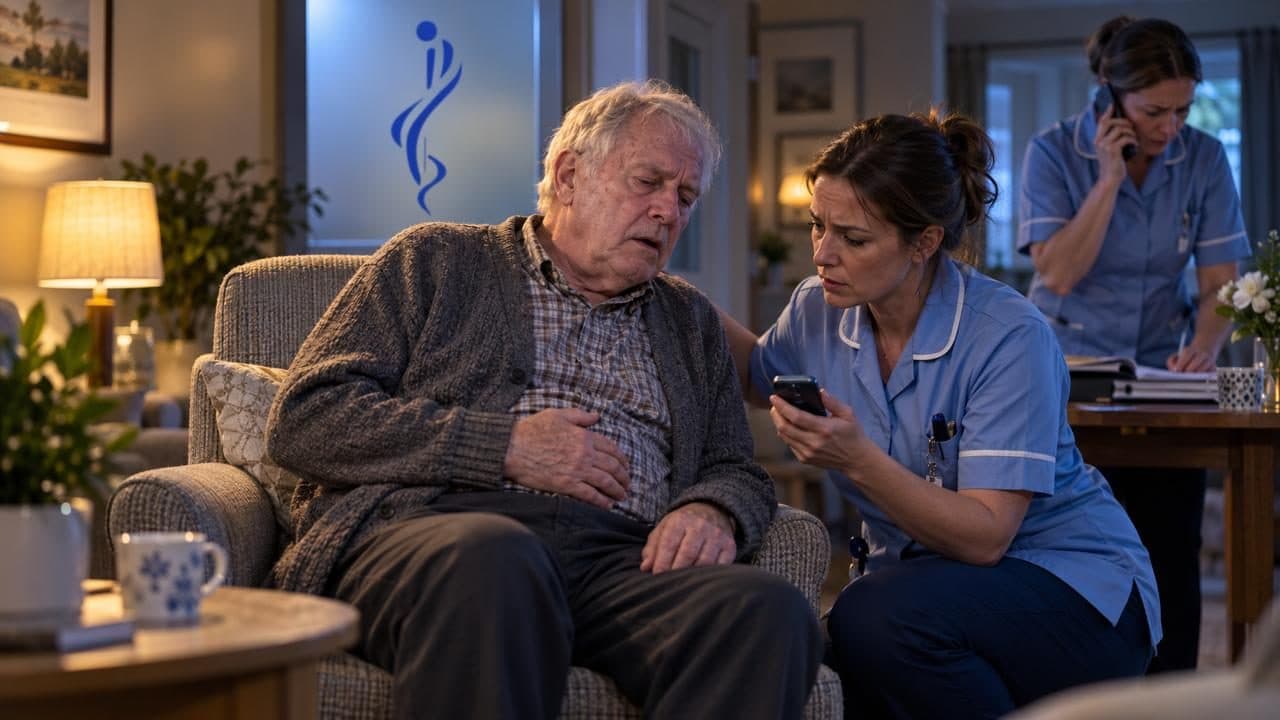
The five questions support review. They must not delay treatment of an acute episode.
Check glucose promptly when hypoglycaemia is suspected and testing is available. A reassuring HbA1c must not delay action. If the person is unresponsive, activate emergency help immediately rather than waiting for a glucose reading. (NHS: low blood sugar; Resuscitation Council UK: adult basic life support)
When the person is awake and can swallow safely
Follow the individual hypoglycaemia plan and local procedure.
Standard adult advice is to give 15–20 g of fast-acting carbohydrate, then recheck glucose after 10–15 minutes. If it remains below 4 mmol/L, repeat treatment and monitoring as directed.
Once glucose is above 4 mmol/L and symptoms have improved, provide the follow-on carbohydrate or meal specified in the plan. (Diabetes UK: treating hypoglycaemia)
Use the treatment and swallowing-safe form agreed for that person. Do not improvise oral treatment when safe swallowing is uncertain.
Persistent low glucose, failure to improve or recurrent symptoms require urgent clinical support while appropriate treatment continues.
When the person cannot swallow safely, is having a seizure or is unresponsive
Do not give food, drink or glucose gel by mouth. Activate the emergency response.
In a care home or community setting, call 999 immediately for an unresponsive person. Assess breathing while help is being summoned. If they are unresponsive and not breathing normally, start CPR and use an automated external defibrillator as soon as available, following emergency instructions. (Resuscitation Council UK: adult basic life support)
Staff must also take account of any valid and applicable emergency-care or resuscitation decisions. (Resuscitation Council UK: CPR decisions)
For severe hypoglycaemia, give emergency glucagon where available and where you are trained to use it under the person’s plan and local arrangements. If the person is unconscious but breathing normally, protect their airway, use the recovery position where appropriate and continue monitoring. (Diabetes UK: severe hypoglycaemia)
Do not delay emergency help while searching for a glucose meter or treatment supplies.
“The hypo was treated” does not finish the job
Correcting the immediate low glucose and preventing another episode are separate tasks.
After recovery, record what happened and follow the agreed monitoring and reporting arrangements. Frequent, severe or night-time hypos, and reduced awareness of warning symptoms, require review by the GP or diabetes team. (NHS: low blood sugar)
Do not focus only on whether the latest reading has returned above 4 mmol/L. Consider whether treatment remains suitable and whether a preventable problem has emerged.
An episode associated with a delayed meal raises different questions from repeated episodes despite meals being provided as planned.
Avoid reducing the explanation to “the resident did not eat”. That describes part of the event; it does not establish why intake changed or whether treatment needs adapting.
The useful outcome is a clear plan for what happens next—not simply a record that the episode ended.
A medication review is not an instruction to stop treatment
Review may lead to a dose adjustment, a different regimen, additional support or no medication change.
NICE’s frailty recommendations support reviewing medicine numbers and doses to avoid unnecessary treatment while maintaining benefit. They also highlight the need to assess whether an SGLT2 inhibitor would place the person at risk of adverse effects such as volume depletion or low blood pressure. (NICE: initial medicines—people with frailty)
Some diabetes medicines also provide heart or kidney benefits. A satisfactory HbA1c is therefore not, on its own, a reason to stop every glucose-lowering medicine. (NICE: reviewing medicines)
Where appropriate, the reviewing clinician may recommend de-intensification: a planned reduction in treatment intensity to improve the balance between benefit, harm and treatment burden. Decisions should involve the person, be documented and include monitoring and follow-up. (NICE: frailty and treatment review; NICE medicines optimisation: medication review)
Care staff should not make unauthorised changes because a result looks lower or because the person is eating less. Follow current prescriptions together with authorised individual instructions, including any sick-day plan. When the safety of the next dose is unclear, obtain timely clinical advice before administration rather than guessing. (NHS: high blood sugar)
Nurses must work within their competence, recognise deterioration and refer promptly when care is needed beyond their role. Reading an article does not establish competence to prescribe, alter insulin regimens or undertake delegated diabetes tasks. (NMC: The Code)
Avoiding low glucose does not mean accepting high glucose
A less stringent target is still a target. It is not permission to ignore persistent or symptomatic hyperglycaemia.
High glucose can cause thirst, frequent urination, weakness, blurred vision and weight loss. Obtain clinical advice when readings remain outside the agreed range or symptoms continue. Illness can also raise glucose, so reduced food intake does not guarantee a low reading. (NHS: high blood sugar)
Suspected high glucose accompanied by vomiting, abdominal pain, faster breathing, marked drowsiness or confusion requires emergency assessment. Call 999 or arrange emergency-department assessment as appropriate; do not wait for a routine appointment. (NHS: high blood sugar—emergency symptoms)
There is also an important medicine-specific warning. People taking SGLT2 inhibitors, such as dapagliflozin or empagliflozin, can develop diabetic ketoacidosis without a markedly elevated glucose result. Concerning symptoms still require urgent assessment, even when the glucose reading does not appear particularly high. Tell the assessing team that the person takes an SGLT2 inhibitor. (MHRA: SGLT2 inhibitors and diabetic ketoacidosis)
The principle is the same at both ends of the range: interpret the measurement alongside the person’s condition.
An example of a useful clinical handover
The following is a fictional example, not a real patient record or treatment protocol.
Mrs Ahmed lives in a care home and takes gliclazide for type 2 diabetes. Her latest HbA1c is lower than the previous result.
During the week, staff record reduced breakfast intake and two low-glucose episodes. The latest episode is treated promptly under her individual plan.
A handover saying “blood sugars better now” would leave out the unresolved concern.
A more useful handover would be:
“At 10:10, Mrs Ahmed became shaky and reported feeling weak. Capillary blood glucose was 3.4 mmol/L. She was alert and able to swallow safely. Her individual hypo plan was followed.
“At 10:25, glucose was 4.6 mmol/L and symptoms had resolved. The planned follow-on snack was provided, and monitoring is continuing under her care plan.
“This is her second recorded hypo this week. Breakfast intake has reduced over the last three days. She takes gliclazide, and her latest HbA1c is lower than previously.
“We are requesting prompt clinical review of the recurrent episodes, reduced intake and current treatment, with clear advice about subsequent medication doses, monitoring and follow-up.”
This separates the immediate response from the ongoing concern. It provides observations, times, treatment response and a specific request.
Have the medication chart, dose timings, glucose records and HbA1c values and dates available. Record who was contacted, when they responded, what advice was given and who will carry it out. The NMC Code requires accurate records that identify risks and the steps taken to address them. (NMC: The Code)
Make the revised plan usable by the next person
After review, “continue to monitor” is not enough on its own.
For someone using insulin, the care plan should state who is responsible, when monitoring is required, which ranges are acceptable, how abnormal results should be managed and when further help is needed. Review it when needs change. Staff undertaking monitoring or insulin administration must be appropriately trained and competent. (CQC: diabetes mellitus and insulin use)
Medication-review decisions should explain how the effect of a change will be assessed and when follow-up will occur. (NICE medicines optimisation: medication review)
A useful final question is:
“Could the next member of staff find the current instructions and explain what they would do if this happened again tonight?”
Where the answer is no, the instructions need clarification.
The essential message
A lower HbA1c can be good news. It is not the whole story.
For someone living with type 2 diabetes and frailty, look at the agreed target, low-glucose episodes, food and fluid intake, changes in health or medicines, and the support needed to manage treatment.
Treat urgent problems promptly. Bring objective information to a clinical review. Make sure the resulting decisions are documented and understood.
Do not judge diabetes care only by how low the number becomes. Judge whether treatment remains safe, effective and appropriate for the person living with it.
Further reading
NICE — Type 2 diabetes in adults: management, NG28. Recommendations on glucose targets and monitoring, frailty and medication review.
NHS — Low and high blood sugar. Recognition, treatment and escalation advice for hypoglycaemia and hyperglycaemia.
Diabetes UK — Older people and diabetes. Practical information on nutrition, hypos and support needs.
CQC — Diabetes mellitus and insulin use in adult social care. Care planning, responsibilities, monitoring and competence in England.
NHS England — Structured medication reviews. Person-centred review of medicines, benefits and risks.
Resuscitation Council UK — Adult basic life support. Emergency recognition and response.
MHRA — SGLT2 inhibitors and ketoacidosis. Medicine-specific safety advice.
This article provides general education about adult type 2 diabetes and frailty. It draws primarily on NICE clinical guidance, NHS advice and CQC provider guidance for England, alongside UK professional and medicines-safety guidance. Guidance is not interchangeable with legislation. Follow applicable national and local pathways, individual care plans and professional responsibilities. This is not a prescribing protocol or a substitute for clinical assessment, practical training or emergency care. Type 1 diabetes, pregnancy and end-of-life diabetes care require their own specific guidance.
Sources reviewed: 12 September 2026.