We strive for excellent training experiences and continuously improve for learners and organizations.


Because you deserve a training platform that delivers.

Enjoy tailored organisation pricing for Clarivive MedInsight bundles. Choose your staff range and click Get a Quote to open the enquiry form — bundles are not purchased directly online.
The Clarivive MedInsight Registered Care Home Nurses Training Bundle is a comprehensive professional development package designed for registered nurses working within residential nursing homes, care homes with nursing, and other adult social care settings.
Registered nurses in care homes carry responsibilities that extend far beyond routine care. They are expected to make clinical judgements, recognise deterioration, administer and oversee medicines safely, manage complex health needs, coordinate care, maintain accurate clinical records, escalate concerns appropriately and provide professional leadership to the wider care team.
This bundle brings together essential and clinically relevant training to support nurses in carrying out these responsibilities safely, confidently and within their professional scope of practice.

The training focuses on the realities of care-home nursing, helping registered nurses strengthen their knowledge across areas such as clinical assessment, medication safety, infection prevention, safeguarding, emergency response, long-term condition management, complex care, documentation, communication, risk management and person-centred practice.
It is particularly suitable for organisations seeking a structured training solution for registered nursing staff rather than relying on multiple disconnected individual courses.
For care providers, the bundle provides a practical way to support workforce competence, continuing professional development, safer clinical practice and consistent standards of care across the nursing team.

For registered nurses, it provides an accessible learning pathway that reinforces both the clinical knowledge and professional judgement required when caring for people with increasingly complex needs in modern care-home environments.
One focused training package. Multiple areas of nursing practice. Built specifically around the responsibilities of registered nurses in health and social care.
Bundles use a quote-based enquiry flow. Indicative monthly rates — final pricing is confirmed by Super Admin after your quote request.

Develop essential hand hygiene awareness and understand how effective hand cleaning helps prevent the spread of infection in health, social…

First Aid Awareness Training gives learners essential awareness of how to recognise injuries, sudden illness, emergency warning signs, safe…

This course provides a structured introduction to learning disability awareness for staff who may support, care for, communicate with, or p…

Safer People Moving and Handling Awareness is a comprehensive UK awareness-level course designed to help health and social care staff under…

Adult Safeguarding Awareness is a comprehensive UK awareness-level course designed to help health and social care staff recognise, respond…

Infection prevention and control is the practical approach used to prevent avoidable infections and reduce the spread of microorganisms wit…

Adult choking occurs when food or another foreign object partially or completely obstructs a person’s airway. A partial obstruction may all…

Health and safety refers to the organised measures used to prevent work-related injury, illness and avoidable harm. It involves identifying…

Nutrition is the process through which the body obtains and uses nutrients from food and drink to maintain health, energy, growth, healing…

Dementia is an umbrella term describing a range of progressive conditions that affect the brain. It may influence memory, thinking, communi…

Course definition COSHH stands for the Control of Substances Hazardous to Health. It refers to the legal and practical framework used to p…

Lone working occurs when a person works by themselves without close or direct supervision. This may include working in a person’s home, tra…

A challenging situation is an interaction or set of circumstances that may create distress, conflict, fear, frustration, disruption or risk…

Continence is a person’s ability to control when and where they pass urine or open their bowels. Incontinence is the involuntary leakage of…

Workplace conflict is a disagreement or breakdown in a working relationship caused by differences in communication, expectations, values, r…

Fire safety is the organised process of preventing fires, limiting the spread of fire and smoke, warning people promptly and supporting eve…

Food safety is the set of practices and controls used to prevent food from causing illness, injury or an allergic reaction. It applies thro…

Equality means ensuring people are treated fairly and are not placed at a disadvantage because of who they are, their circumstances or a pr…

Person-centred care is an approach that places the individual at the centre of decisions about their care and support. It recognises that e…

Communication in care is the process of exchanging information, needs, choices, concerns and feelings between individuals receiving care, s…

Privacy means respecting a person’s personal space, body, relationships, communications, belongings and confidential information. It includ…

The Mental Capacity Act 2005 provides the legal framework in England and Wales for supporting people aged 16 and over to make their own dec…

The Deprivation of Liberty Safeguards, commonly called DoLS, are part of the Mental Capacity Act 2005 framework in England and Wales. They…

Autism is a lifelong neurodevelopmental difference that can influence how a person experiences and processes communication, relationships,…

Effective care planning helps ensure that people receive care that reflects their individual needs, preferences, choices, abilities and des…

Risk management in health and social care is the process of identifying hazards, assessing the likelihood and potential impact of harm, put…
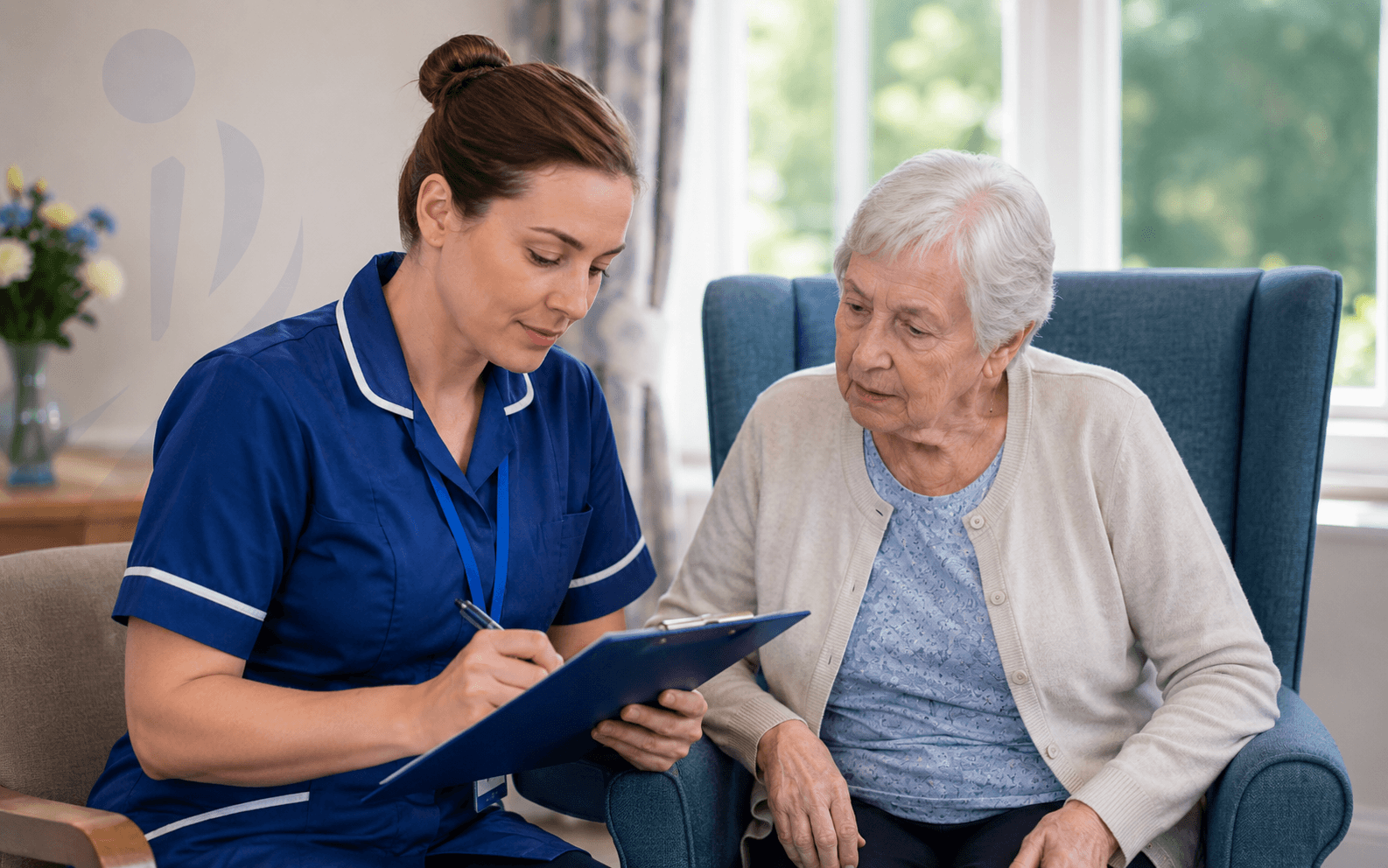
Incident reporting is the structured process of recording, communicating and escalating accidents, injuries, near misses, errors, unsafe ev…

Duty of candour means being open, honest and transparent when something goes wrong in a person’s care or treatment. In England, the statuto…

Delegation is the process of entrusting an appropriate task or activity to another person while retaining responsibility for the decision t…

Supervision is a planned, supportive process in which a worker and supervisor review practice, wellbeing, responsibilities, concerns and de…

Falls are events in which a person unintentionally comes to rest on the ground, floor or another lower level. Fall prevention involves reco…
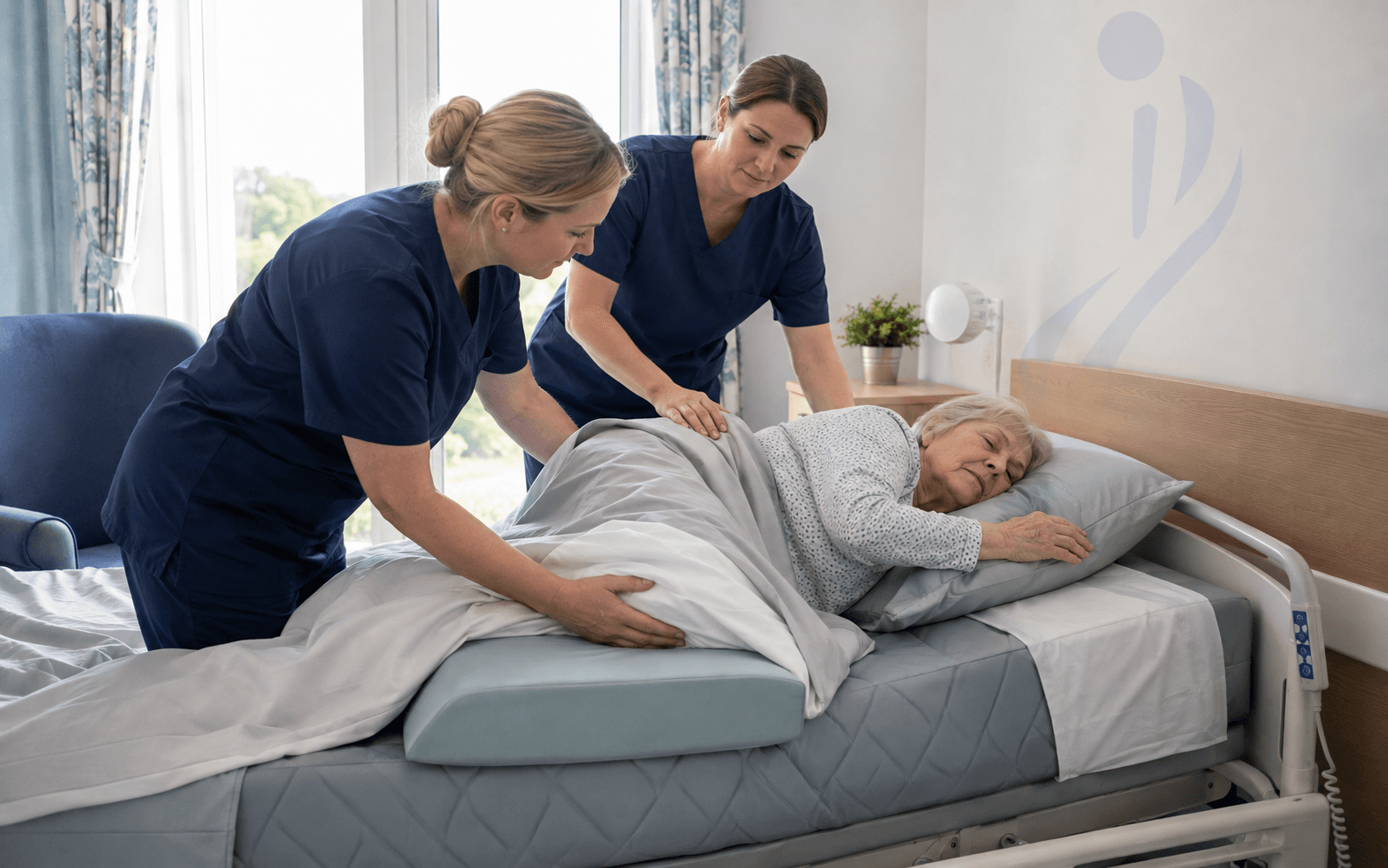
A pressure ulcer is localised damage to the skin and underlying tissue, usually occurring over a bony area or beneath a medical device. It…

Deterioration is a worsening of a person’s physical or mental health. It may develop suddenly or gradually and can be indicated by changes…

A complaint is an expression of dissatisfaction about care, treatment, conduct, communication, facilities or another aspect of a service wh…
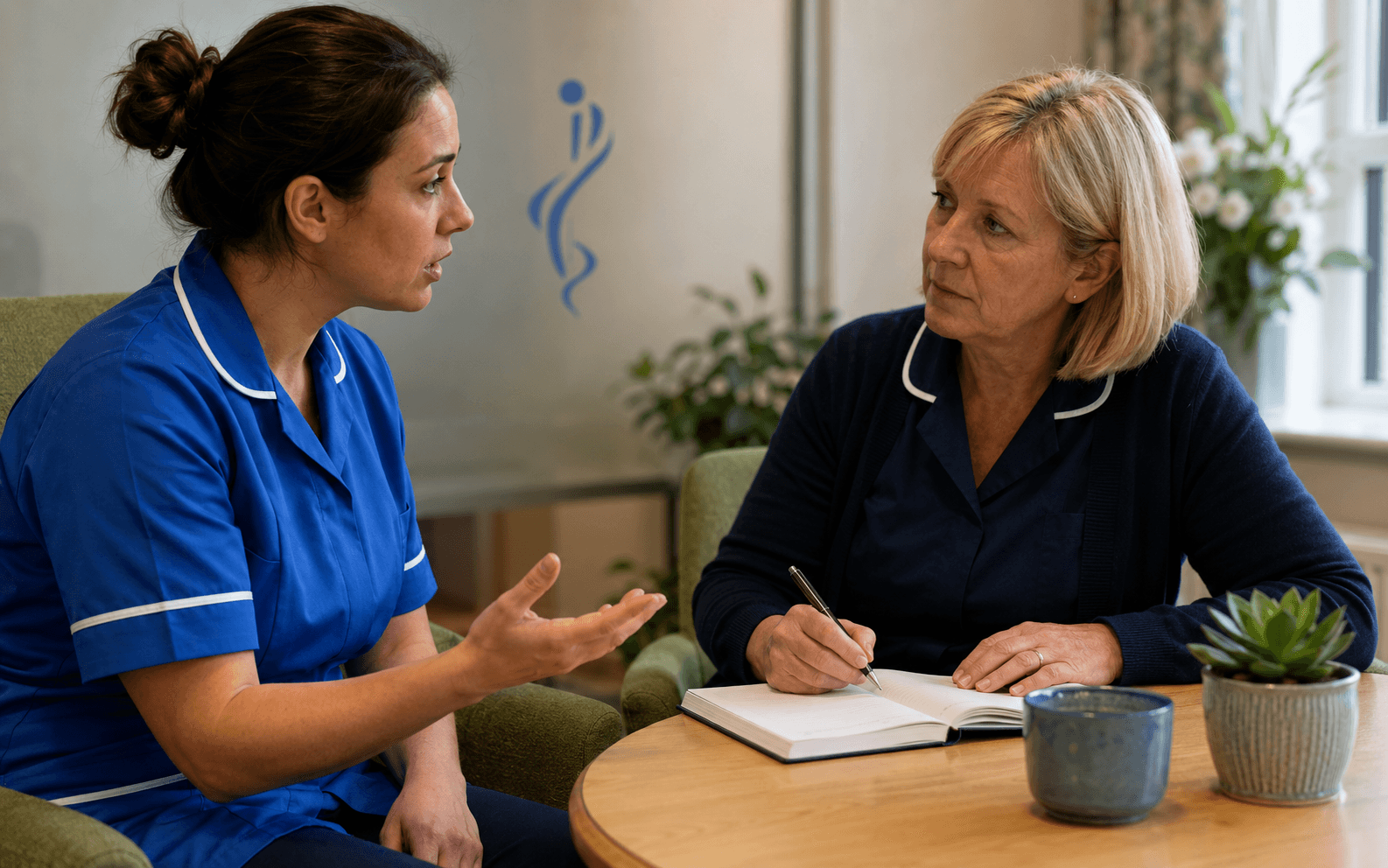
Adult safeguarding means protecting an adult’s right to live safely, free from abuse and neglect, while respecting their wishes, rights, we…

Leadership in care is the ability to influence practice, support colleagues and promote safe, compassionate and person-centred care. It is…

Quality improvement is a structured and continuing process used to make care safer, more effective, person-centred, responsive and consiste…

Auditing care records is a structured process for checking whether records are complete, accurate, current, person-centred, secure and cons…

Clinical governance is the framework through which healthcare organisations, leaders and clinical professionals are accountable for continu…
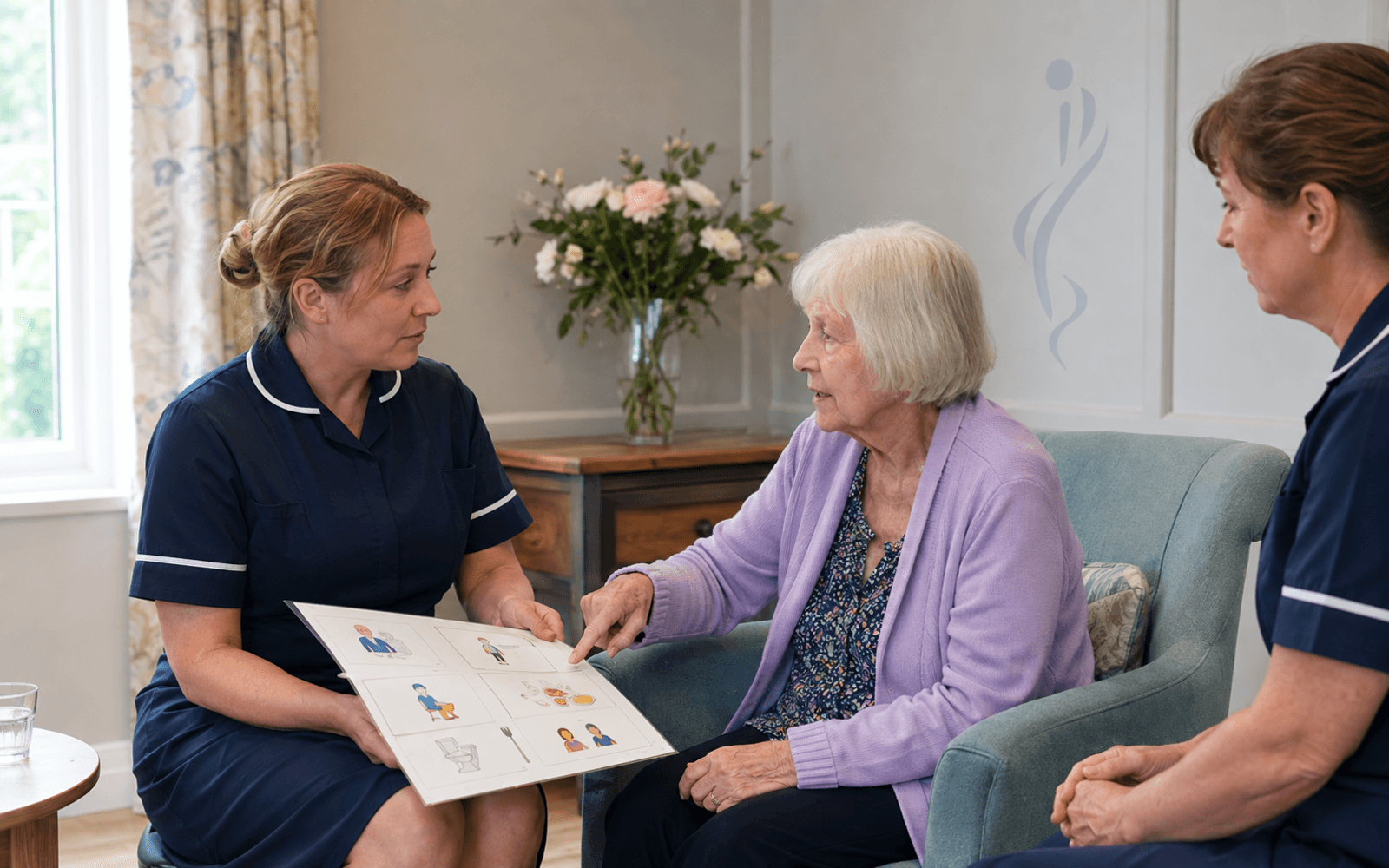
Consent is a person’s voluntary agreement to a proposed examination, treatment, care intervention or sharing of information after receiving…

End-of-life symptom assessment is the structured, ongoing evaluation of a person’s physical symptoms, psychological distress, communication…
Sepsis is life-threatening organ dysfunction caused by a dysregulated response to infection. It is a clinical syndrome requiring urgent ass…

Respiratory deterioration is a worsening in a person’s breathing or ability to maintain effective oxygenation and ventilation. It may devel…

A tracheostomy is a surgically created opening in the front of the neck through which a tracheostomy tube is inserted into the trachea to s…

An infection outbreak occurs when two or more epidemiologically linked cases of the same infection or symptoms arise within a setting or gr…

Delegation is the process by which an appropriately authorised professional entrusts a specific care or healthcare activity to another work…

Clinical documentation is the creation and management of records relating to a person’s assessment, care, treatment, monitoring and outcome…

The National Early Warning Score 2 (NEWS2) is a standardised system developed by the Royal College of Physicians to support the recognition…

A pressure ulcer is localised damage to the skin or underlying tissue, usually caused by sustained pressure or pressure combined with shear…

Wound assessment is the structured examination and documentation of a wound, the surrounding skin and factors affecting healing. Wound mana…

Diabetes is a long-term condition in which blood glucose levels become too high because the body does not produce enough insulin, cannot us…

Controlled drugs are medicines subject to additional legal controls because of their potential for misuse, dependence or diversion. This co…

Advanced Medication Management develops the knowledge and judgement required to manage medicines safely in adult health and social care. It…
Choose a staff range above and click Get a Quote. You will complete a short enquiry form — no online purchase.
