
 Online
NEWS 2 Scoring
The National Early Warning Score 2 (NEWS2) is a standardised system developed by the Royal College of Physicians to sup…
45-60 minFrom£20.99
Incident reporting is the structured process of recording, communicating and escalating accidents, injuries, near misses, errors, unsafe events and other concerns that occur during health and social care delivery.
Effective reporting helps organisations respond promptly, protect people from further harm, identify recurring problems and improve the quality and safety of care. CQC Regulation 17 requires providers to have systems that assess, monitor and improve safety and manage risks effectively.
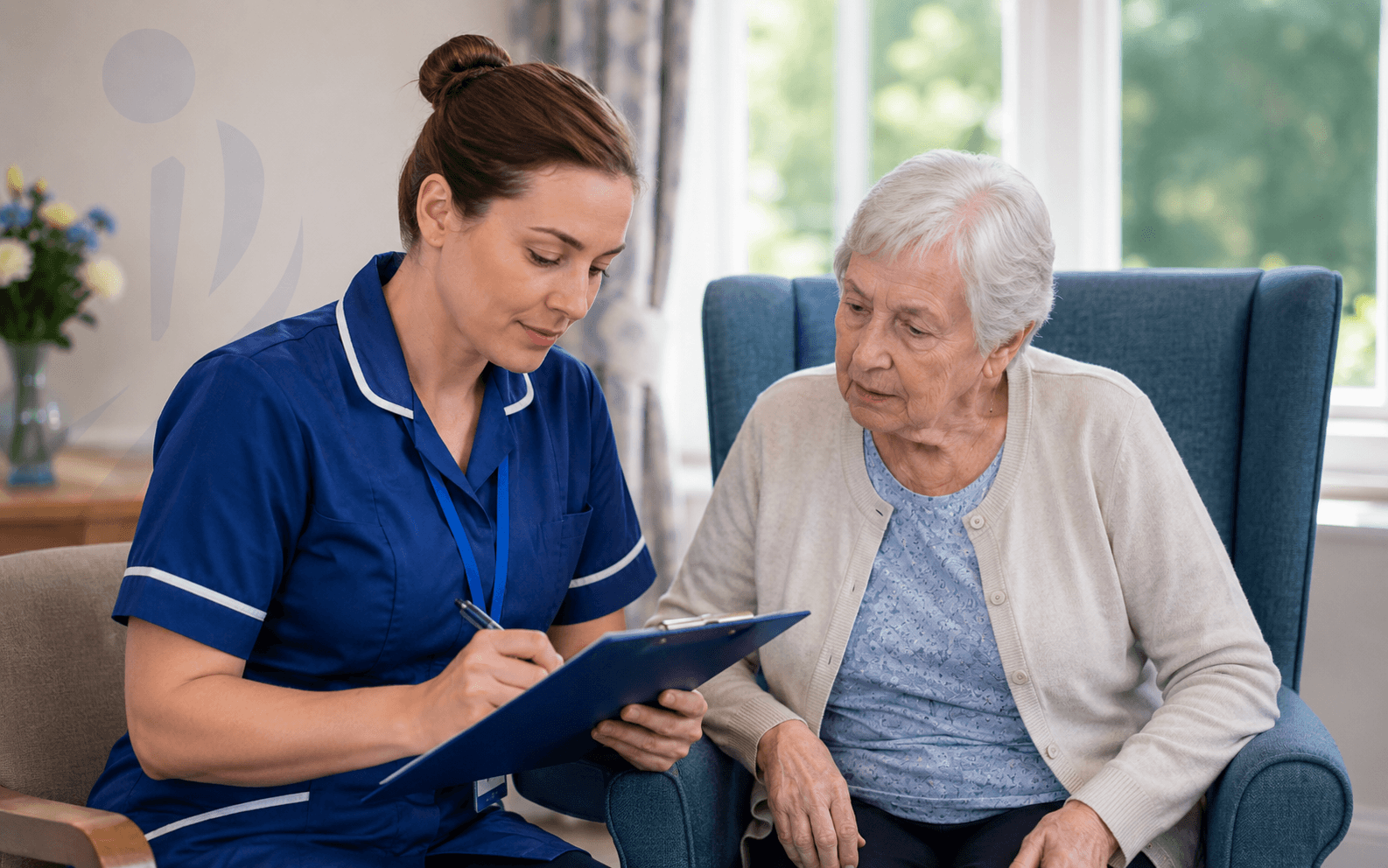
To help frontline care workers recognise incidents, respond appropriately, document facts accurately and escalate concerns promptly. The course promotes learning from incidents and near misses to improve practice and reduce preventable harm.
Care assistants, healthcare assistants, support workers, senior carers and similar frontline staff working in care homes, domiciliary care, supported living and healthcare settings.
Designed primarily for services in England, this course focuses on frontline responsibilities: protecting people, taking immediate action within your competence, recording information and following local reporting procedures.
It introduces statutory reporting responsibilities without replacing training for designated reporting roles. Not every care incident is reportable under RIDDOR 2013; statutory reports must be handled by the appropriate responsible person.
By the end of the course, learners should be able to:
This course supports continuing professional development in safe care, record keeping, communication, professional accountability and learning from incidents.
Legislation and regulations
Guidance and workplace procedures
Continue learning
Discover more online training selected from our course catalogue.
OnlineThe National Early Warning Score 2 (NEWS2) is a standardised system developed by the Royal College of Physicians to sup…
We strive for excellent training experiences and continuously improve for learners and organizations.


Because you deserve a training platform that delivers.


